Expert Locksmith: The Right Time to Reach Out to Specialists for Your Security Concerns
A skilled lock technician serves a vital function in ensuring security. Numerous homeowners fail to notice the indicators that suggest a need for professional help. Concerns like a broken security lock or the consequences of a forced entry can compromise your wellbeing. Understanding when to seek help is essential. As criminal tactics develop, so do the solutions. What aspects should be assessed before picking up the phone?
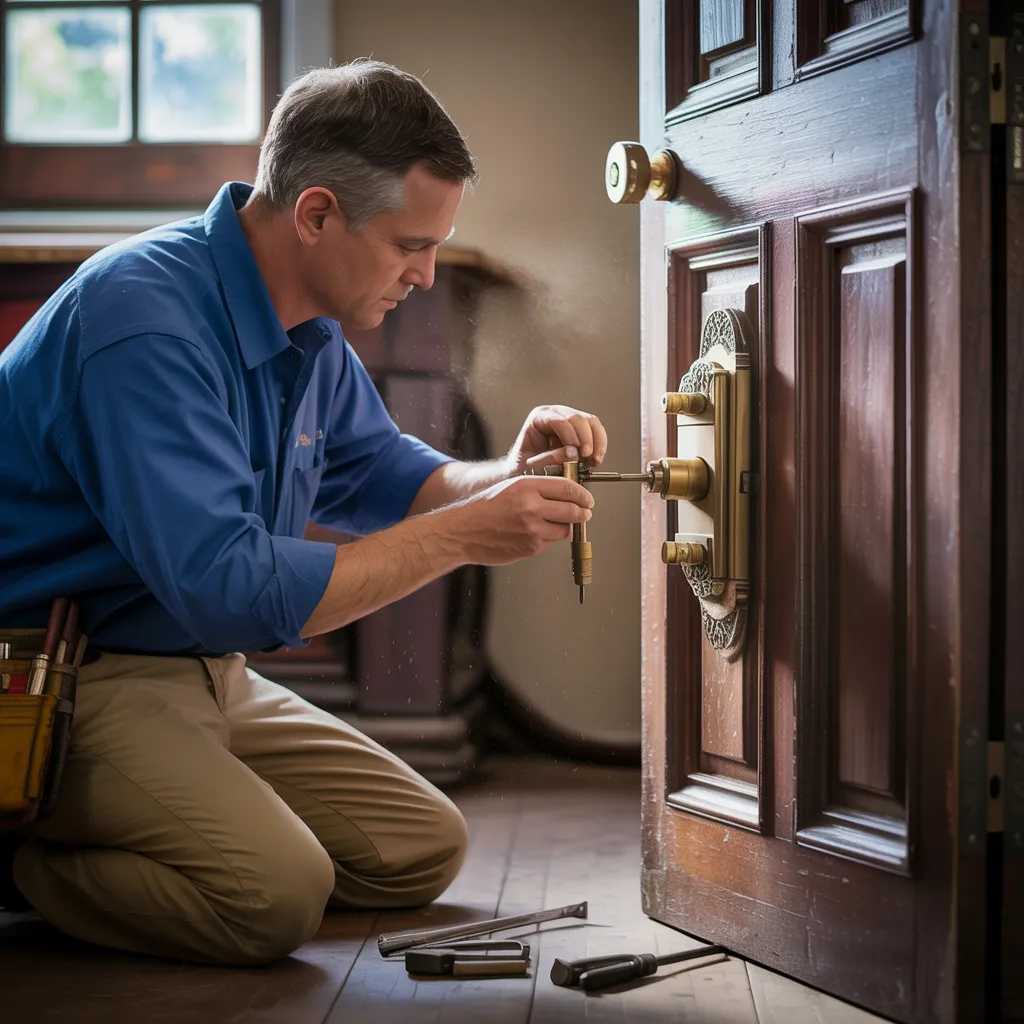
Understanding the Warning Signs: When You Require a Locksmith
When should one consider calling a locksmith? Someone might need to reach out to a locksmith when they experience problems with their locks or security systems. Symptoms including a broken key lodged in the lock or a lock that is increasingly challenging to turn serve as clear warning signs of trouble. Additionally, if someone experiences repeated instances of being locked out, it may signal a need for professional assistance.
In addition, upon moving into a new residence, it is wise to consult a locksmith to swap out the locks for protection. Security upgrades, such as incorporating sophisticated locks or alarm devices, also call for specialist assistance. Lastly, if a homeowner identifies signs of forced entry or security breaches, prompt steps should be taken by contacting a locksmith to review and improve safety measures. Identifying these indicators ensures that homeowners can preserve their security and tranquility.
Why You Should Call a Locksmith When Locked Out?
Finding yourself locked out can be an incredibly frustrating and stressful experience. At times like these, reaching out to a professional locksmith is absolutely essential. A locksmith possesses the specialized tools and expertise required to address lockouts efficiently and safely, reducing the likelihood of damage being caused to your property. Attempting to gain entry without professional help can lead to broken locks or doors, resulting in costly repairs.
Additionally, locksmiths are skilled to handle a wide range of types of locks and security systems, providing a quick resolution customized for the specific situation. Their expertise of security protocols also enhances the safety of the property after re-entry. In addition, professional locksmiths can provide practical advice on upgrading security measures, preventing future lockouts. In the end, relying on a locksmith is not just about gaining access; it is an vital step in protecting both the integrity of the property and the confidence of the individual shut out.
How to Handle Being Locked Out?
Being locked out can be an unsettling situation that demands swift response. Your initial priority should be to remain calm and assess the situation. Checking for any open windows or alternate entrances can occasionally offer a quick resolution. Should no alternatives present themselves, it is wise to get in touch with a dependable family member or close friend who may be in possession of a duplicate key.
Should these measures prove unsuccessful, seeking professional assistance becomes essential. Calling a locksmith is often the most effective way to regain access quickly and safely. It is important that individuals do not attempt to break in, as this can cause damage and lead to costly repairs.
In advance of the locksmith getting there, collecting the required details, including identification and proof of address, can speed up the process. Ultimately, being locked out serves as a reminder of the value of establishing a backup strategy for getting into secured locations.
Why It's Smart to Upgrade Your Locks
Following a lockout incident, most homeowners acknowledge the importance of security in their homes. Investing in lock upgrades acts as a forward-thinking approach to enhance safety. Older locks may not provide adequate protection against contemporary break-in methods, emphasizing the importance of upgrading to more reliable alternatives.
High-security locks, as an example, provide sophisticated features designed to prevent unauthorized entry. Such locks frequently feature pick-resistant components and sturdy materials, guaranteeing a stronger level of protection. Moreover, intelligent locks offer ease of use and remote control capabilities, enabling homeowners to oversee their security from any location.
Furthermore, insurance companies may provide more favorable rates for homes featuring upgraded security systems, creating financial incentives for homeowners to upgrade their lock systems. Ultimately, upgrading locks not only bolsters physical security but also cultivates peace of mind, making certain that residents feel safe in their own environment. This well-considered investment is a vital step toward complete home security.
What to Anticipate From a Complete Security Assessment
When residents pursue a detailed security inspection, they can expect an in-depth analysis of their residence's security gaps and advantages. Skilled locksmith read about this technicians begin by examining access points such as windows, doors, and garage areas to identify potential weaknesses. They examine the integrity and functionality of installed lock systems, flagging any deteriorated or aging components that may weaken the property's defenses.
Furthermore, the review includes analyzing the nearby environment, accounting for elements such as area crime statistics and visual exposure. Lock and security experts typically propose upgrades such as heavy-duty locks or alert systems suited to the particular demands of the property. They can also offer recommendations regarding security access systems, surveillance cameras, and exterior lighting options.
The goal of the evaluation is to develop a comprehensive report summarizing observations and offering practical enhancements, directly supporting homeowners reach well-considered judgments about their security measures. This proactive approach ensures a thorough strategy for defending the property against unforeseen vulnerabilities.
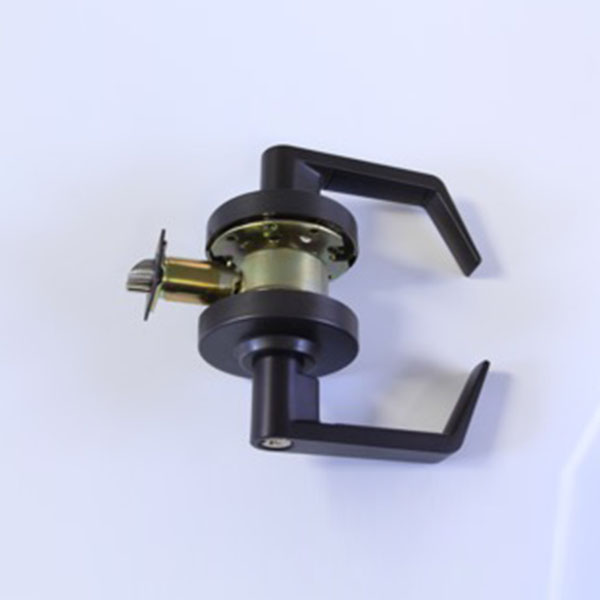
Typical DIY Errors to Avoid When Handling Locks
When dealing with lock issues, numerous individuals make frequent errors that can worsen the situation. Disregarding certain lock types, using too much lubrication, and incorrectly handling tools can lead to more serious issues. Understanding these errors is vital for effective lock maintenance and security.
Neglecting Lock Types
While many homeowners may attempt to tackle lock issues on their own, neglecting to recognize the specific types of locks can lead to costly mistakes. Locks like deadbolts, smart locks, and mortise locks each possess their own unique mechanisms and installation demands. Insufficient knowledge can lead to incorrect repairs or replacements, which may put security at risk. To illustrate, forcing a key into a misaligned lock risks damaging both the lock and the key, making expensive replacements necessary. Furthermore, confusing lock types can result in ineffective remedies and additional problems. To avoid these pitfalls, homeowners should assess their locks carefully and consider consulting a professional locksmith when uncertain about their specific needs.
The Problem of Overusing Lubricants
Homeowners often make the mistake of overusing lubricants on their locks, assuming that excess lubrication will keep things running smoothly. This frequent error can cause an excess of lubricant to build up, which attracts dust and dirt, eventually causing locks to stick or jam. Various lock types call for particular lubricants; to illustrate, graphite tends to be the preferred option for pin tumbler locks, while other locks are better served by silicone sprays. Applying too much lubricant can generate a slick surface that interferes with the lock's mechanism, causing the lock to become harder to operate. Far from boosting functionality, over-lubrication can necessitate costly repairs or professional locksmith intervention. Understanding the right amount and type of lubricant is essential for maintaining peak lock performance.
Misusing Tools Properly
Using the wrong tools during lock repairs can result in frustrating results and possible damage. Many DIY enthusiasts underestimate the importance of using the right tool for the job. To illustrate, substituting a screwdriver for a dedicated lock pick can result in stripped screws or broken internal mechanisms. Moreover, exerting excessive force can lead to locks jamming or becoming permanently damaged. Common mistakes include using pliers to turn a key or attempting to force a stuck lock open without proper technique. Such actions frequently lead to additional problems that require expert assistance. To avoid these pitfalls, individuals should familiarize themselves with lock mechanisms and the specific tools designed for lock repairs. Should any uncertainty arise, reaching out to a professional locksmith can conserve time and eliminate costly blunders.
Frequently Raised Questions
How Do I Choose a Reputable Locksmith Service?
To select a reliable locksmith provider, one should check online reviews, validate credentials, confirm insurance coverage, and seek recommendations. Evaluating several options guarantees knowledgeable decisions, resulting in dependable and trustworthy service.
What Certifications Should a Professional Locksmith Have?
A qualified locksmith must hold designations such as Certified Locksmith (CL), Registered Locksmith (RL), and Master Locksmith (ML) from established professional organizations. Such qualifications demonstrate professionalism, expertise, and adherence to industry standards, providing assurance of quality service to clients.
Are Locksmith Services Offered 24 Hours a Day?
Locksmith assistance is commonly accessible 24 hours a day, providing essential assistance during emergencies including lockouts and security vulnerabilities. Many professionals prioritize accessibility, ensuring clients can receive help whenever needed, no matter the hour.
How Much Do You Usually Pay for Locksmith Services?
Locksmith services typically range from $50 to $150 for standard tasks, such as lockouts or rekeying. That said, emergency services and specialized work may incur higher fees, often exceeding $200 based on the complexity of the job.
Can a Locksmith Provide Help With Electronic Security Systems?
Yes, a locksmith is able to help with electronic security solutions. These professionals possess the technical know-how to install, fix, and maintain numerous electronic locking mechanisms, delivering top-level performance and security for commercial and residential properties alike.